Excavation work in McKinney, Texas, encompasses far more than simply moving earth. This category covers the full lifecycle of subsurface construction, from initial site investigation and geotechnical design through to construction-phase monitoring and long-term performance assessment. The unique geological setting of North Texas, characterized by expansive clay soils, weathered shale formations, and variable groundwater conditions, demands a sophisticated understanding of soil-structure interaction. For developers, municipal authorities, and infrastructure owners, engaging specialized excavation engineering activities is not just a regulatory requirement but a fundamental risk management strategy that protects both project timelines and long-term asset integrity.
The geology beneath McKinney presents distinct challenges that directly influence excavation methodology and risk profiles. The region sits atop the Eagle Ford Shale and Woodbine Sandstone formations, overlain by extensive deposits of high-plasticity clays within the Blackland Prairie belt. These soils exhibit significant shrink-swell behavior with moisture fluctuations, creating substantial lateral earth pressures and potential for slope instability during open-cut excavations. Additionally, the presence of weathered rock interfaces at varying depths introduces abrupt changes in material stiffness, complicating predictions of ground movement and requiring careful consideration in projects involving geotechnical design of deep excavations. Groundwater is typically encountered at moderate depths, with perched water tables being common after heavy rainfall events, further emphasizing the need for robust dewatering and support systems.
Regulatory compliance in McKinney is governed by a combination of local ordinances, Texas state engineering practice acts, and national standards. The City of McKinney enforces the International Building Code (IBC) with local amendments, requiring geotechnical reports for all commercial and subdivision developments. Excavation safety is regulated under OSHA 29 CFR Part 1926 Subpart P, which mandates protective systems for trenches deeper than five feet. Additionally, the Texas Engineering Practice Act requires that all geotechnical engineering activities be performed under the responsible charge of a licensed Professional Engineer. For public infrastructure projects, Texas Department of Transportation (TxDOT) specifications often apply, particularly regarding compaction, backfill material quality, and allowable settlement criteria. These overlapping requirements make early engagement of qualified geotechnical technicians essential for permitting and construction approval.
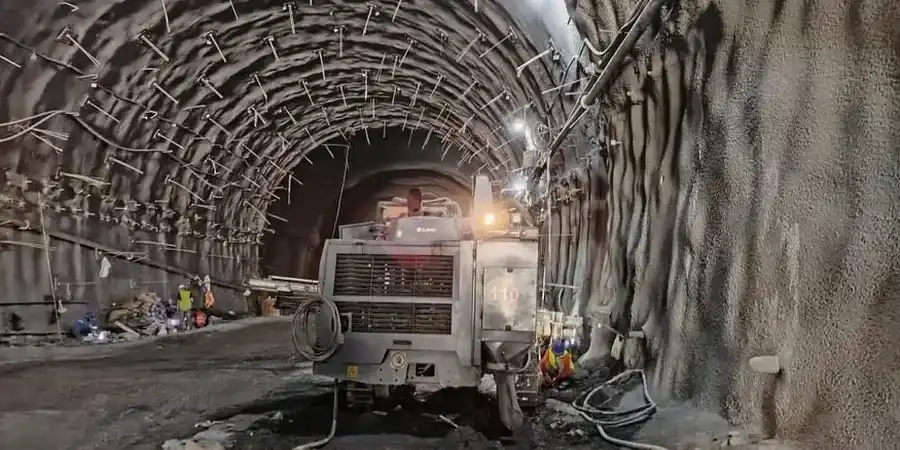
The types of projects requiring comprehensive excavation activities in McKinney are diverse and growing with the city's rapid expansion. Large-scale residential developments in areas like Trinity Falls and Painted Tree frequently require mass grading and deep utility installations through expansive clay profiles. Commercial construction along the US-75 and SH-121 corridors often involves multi-level underground parking structures that demand geotechnical analysis for soft soil tunnels when connecting below-grade facilities. Municipal infrastructure projects, including the ongoing expansion of water and wastewater systems, routinely encounter challenging ground conditions that necessitate specialized support of excavation designs. Even smaller-scale projects such as detention pond construction or retaining wall installations benefit significantly from site-specific geotechnical input to avoid costly post-construction movements. Throughout all these applications, continuous geotechnical excavation monitoring provides real-time performance data that validates design assumptions and enables adaptive management of construction risks.
Quick answers
What are the primary geotechnical risks associated with excavations in McKinney's expansive clay soils?
The high-plasticity clays of the Blackland Prairie undergo significant volume changes with seasonal moisture fluctuations, leading to slope instability, excessive lateral movement of shoring systems, and post-construction settlement. When these clays are exposed during excavation, they can lose strength rapidly upon wetting or develop desiccation cracks during dry periods, compromising the integrity of unsupported cuts and requiring robust protective systems designed for the full range of anticipated moisture conditions.
What permits and geotechnical submittals are typically required for excavation projects in McKinney?
The City of McKinney requires a geotechnical report sealed by a Texas-licensed Professional Engineer for most commercial and subdivision projects. For deep excavations, additional submittals typically include a detailed shoring and bracing plan, groundwater control calculations, and a construction monitoring program. Projects near public rights-of-way or existing utilities may also require right-of-way permits and coordination with franchise utility owners, with all designs conforming to IBC and OSHA Subpart P requirements.
How does the presence of weathered shale and sandstone bedrock affect excavation planning and cost?
Weathered rock interfaces often occur at unpredictable depths across McKinney, transitioning from stiff clay to partially weathered shale and then to competent sandstone. This variability complicates excavation methodology because ripping or blasting may be required where rock is shallow, while adjacent areas might be excavated with conventional equipment. The uncertainty necessitates thorough pre-construction subsurface exploration, including test pits or borings at close spacing, to accurately characterize the rock profile and avoid costly change orders during construction.
What role does real-time monitoring play during deep excavations in urban areas of McKinney?
Real-time monitoring provides critical performance data on shoring deflection, ground settlement, and piezometric pressures during construction. In urban corridors like those along US-75 or SH-121, where excavations are adjacent to active roadways and utilities, instrumentation such as inclinometers, settlement points, and vibration monitors enables immediate detection of conditions exceeding design thresholds. This allows the construction team to implement contingency measures before minor issues escalate into safety hazards or adjacent property damage.
Location and service area
We serve projects across McKinney Texas and surrounding areas.